YouTube
You Only Need 1 Language and 1 Framework in the AI Era

On this page
- You Only Need **1** Language and **1** Framework
- What the Old Path Looked Like
- Why It Never Worked
- What "Deeply" Means
- Good Starting Combos
- AI Takes This Off Your Plate
- A Playbook for Jumping Into a New Stack
- Where **Depth** Still Matters
- Master one, understand many. AI does the heavy lifting; you stay the engineer in charge.
- Depth Is Your Passport, AI Is Your Translator
AI Era Coding
You Only Need 1 Language and 1 Framework
Learn One Language, Speak Every Stack
Notes
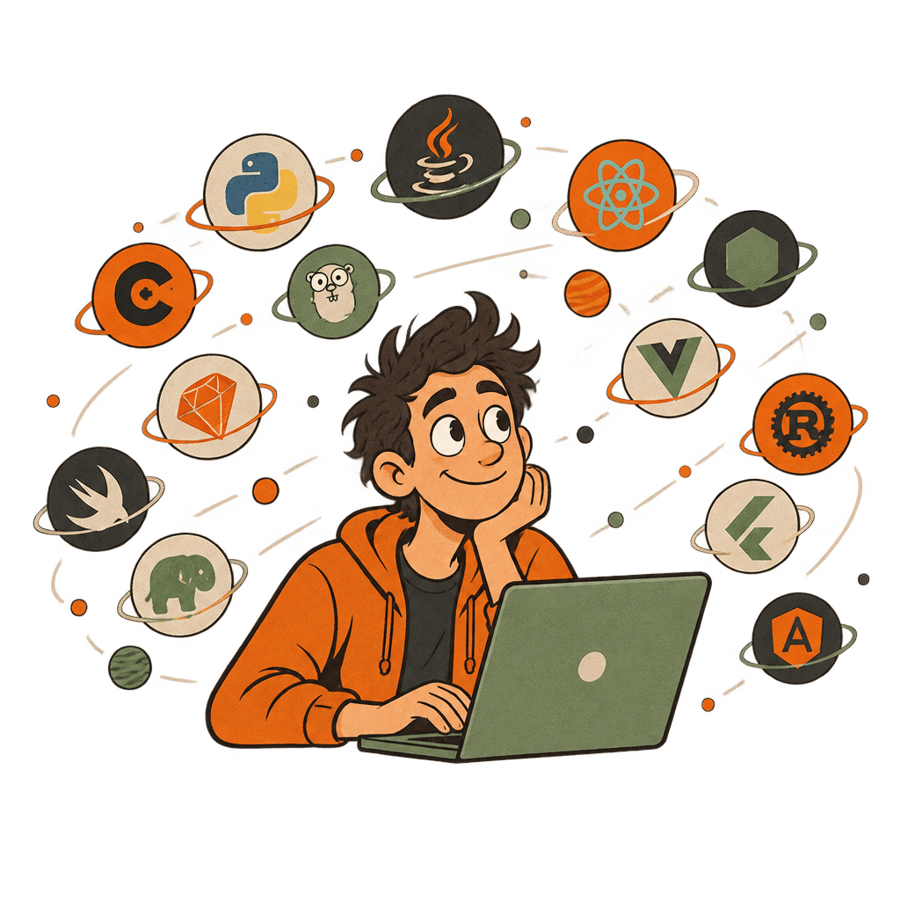
For years, developers were told to learn everything.
That advice created burnout, not better engineers.
This chapter argues the opposite: in the AI era, one language and one framework, learned deeply, is enough.
Notes
For years, developers were told to learn everything.
That advice created burnout, not better engineers.
Why It Never Worked
- 01You end up knowing ten things at 20% instead of one thing at 90%.
- 02Tutorial hell: lots of syntax, very few shipped projects.
- 03The ecosystem moves faster than any human can follow.

Notes
Key idea: chasing every stack was a problem of human memory.
AI just removed that bottleneck.
What "Deeply" Means
- You can build a full project without a tutorial.
- You understand why the code works, not just that it works.
- You have debugged real problems: async bugs, memory issues, slow queries.
- You know the framework's core ideas: routing, state, data flow, rendering.
Notes
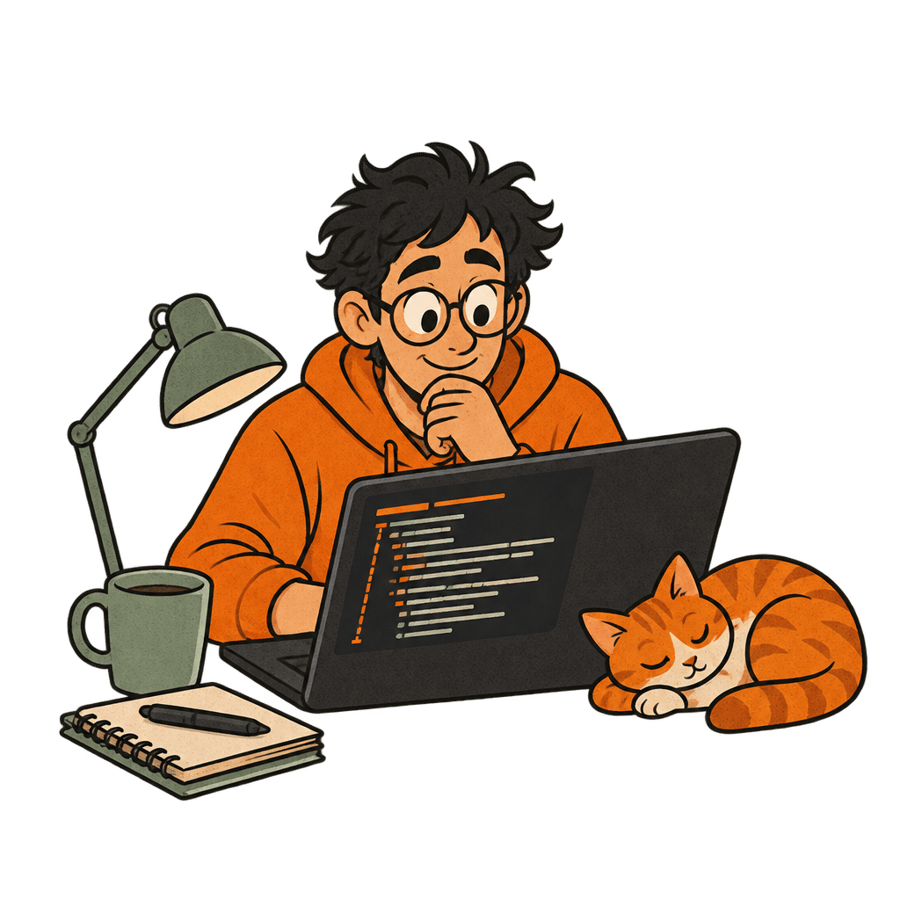
In the age of AI, you need just one programming language and one framework, learned properly.
That becomes your base for everything else.
Key idea: your first stack is not your final stack. It is your mental model for all the others.
Notes
Depth teaches you how software works in general.
Breadth only teaches you how syntax looks.
AI Takes This Off Your Plate
- Remembering exact syntax and method names
- Setting up project structure and config files
- Writing boilerplate: models, routes, forms, tests
- Translating code from a stack you know to one you don't
- Explaining unfamiliar code line by line
Notes
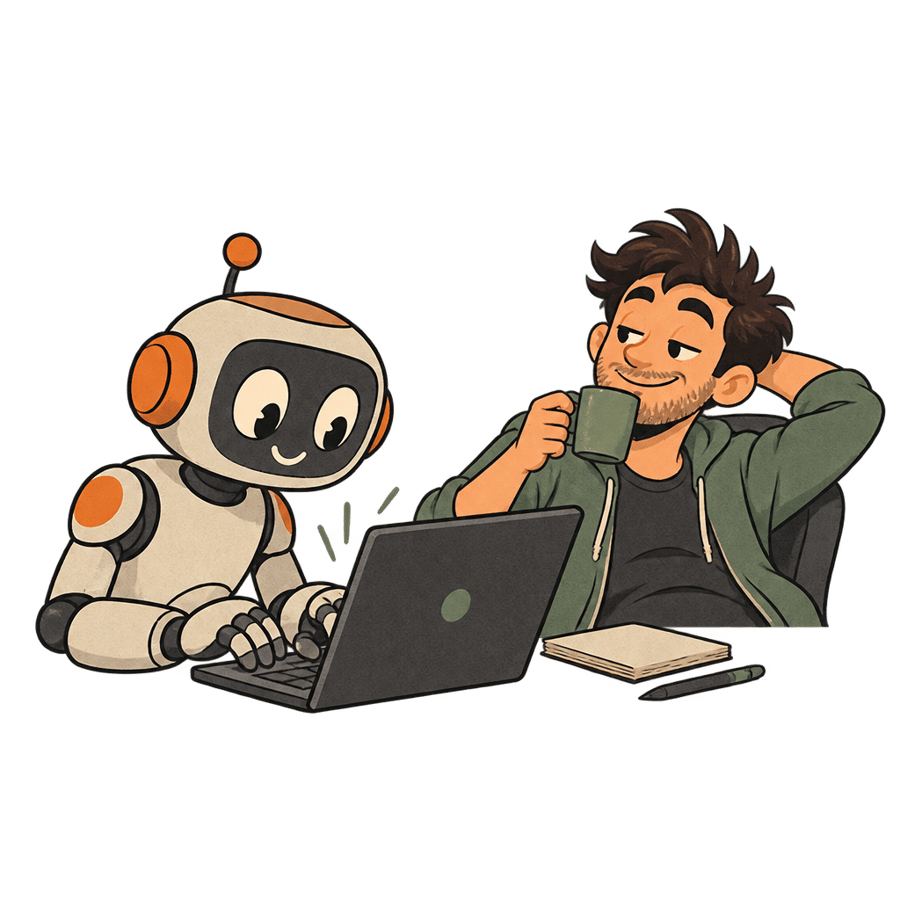
Example: You know Express. The project uses FastAPI.
You ask: "Here's how I'd write this middleware in Express. What's the FastAPI way?"
AI maps your mental model to the new ecosystem in seconds.
Key idea: AI turns "I don't know this stack" into "I know the concept, show me how it's done here."
Notes
Also: learn the ecosystem basics — package manager, testing tool, how to deploy.
Signs you are ready: you can read code in the new stack without AI explaining every line, and you can tell when AI's suggestion doesn't follow the ecosystem's conventions.
Key idea: you are not learning a new stack from zero. You are translating what you already know.
Where Depth Still Matters
- Different paradigms: moving from JavaScript to Rust means learning ownership and borrowing, not just new syntax.
- Performance-critical work: low-level tuning needs real expertise.
- Ecosystem conventions: idiomatic Go looks very different from idiomatic Java.
- Production incidents: at 2 AM, you need to understand the system, not just prompt it.

Notes
How to handle it: go deep in a second stack only when your work demands it.
Learn the paradigm, not just the syntax, when a stack is truly different.
Keep strengthening fundamentals: they transfer the most.
Key Idea
Master one, understand many. AI does the heavy lifting; you stay the engineer in charge.
Notes
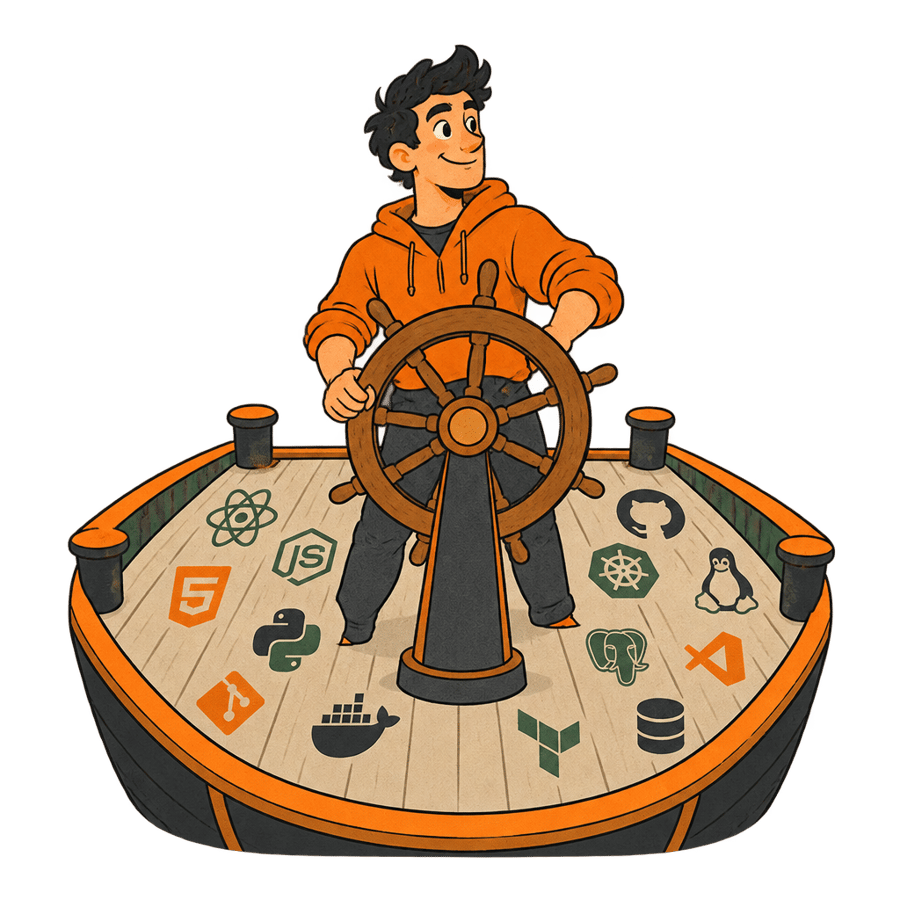
The final takeaway: one language and one framework, learned deeply, is your passport.
AI is your translator.
Your engineering vocabulary lets you talk tech in any ecosystem.
The Takeaway
Depth Is Your Passport, AI Is Your Translator
Learn one stack deeply, let AI carry you into every other.